



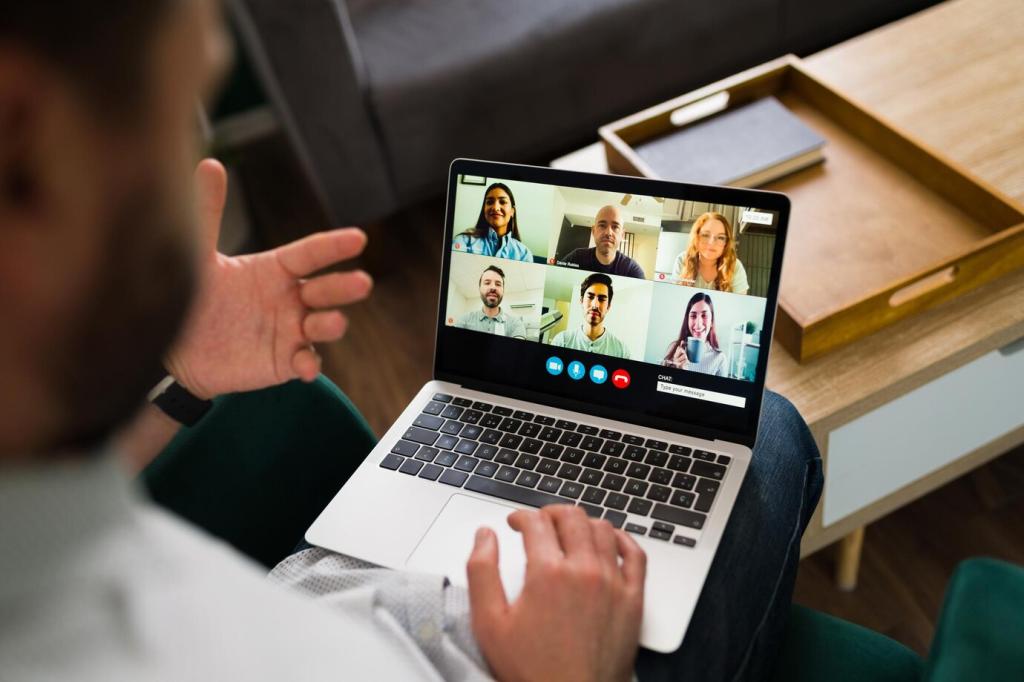
Work Together From Anywhere: Best Practices for Remote Team Collaboration

Chosen theme: Best Practices for Remote Team Collaboration. Welcome to a practical, people-first guide for teams who build trust across screens and time zones. Settle in, share your experiences, and subscribe for weekly ideas that make remote work calmer, clearer, and far more human.

Set Shared Norms and a Clear Communication Cadence

Agree on how quickly teammates should reply in chat, email, and project boards. Publish the norms, revisit monthly, and allow exceptions for deep work. When expectations are clear, stress drops, collaboration improves, and nobody feels guilty for focusing on meaningful, uninterrupted tasks.

Set Shared Norms and a Clear Communication Cadence

Standardize how to tag people, when to use threads, and what belongs in each channel. Encourage clear subject lines and concise summaries. This keeps discussions discoverable, prevents duplicate conversations, and helps teammates catch up efficiently after their focused work or time away.

Select a Lightweight, Reliable Tool Stack

Pick one project hub for priorities, tasks, and deadlines. Fragmented information creates friction, delays, and unnecessary debate. A single source of truth improves accountability, clarifies ownership, and ensures every teammate can independently find exactly what to do next.

Design for Asynchronous Collaboration Across Time Zones

When asking for help, include context, constraints, examples, and a clear definition of done. Anticipate follow-up questions and answer them proactively. Thoughtful requests save days of back-and-forth and empower teammates to move quickly without waiting for a shared time window.

Design for Asynchronous Collaboration Across Time Zones

Use handoff templates that specify current status, blockers, decisions needed, and next best action. Add links to files and dashboards. Predictable handoffs turn time zones into a relay team, where progress accelerates across the clock instead of stalling overnight.

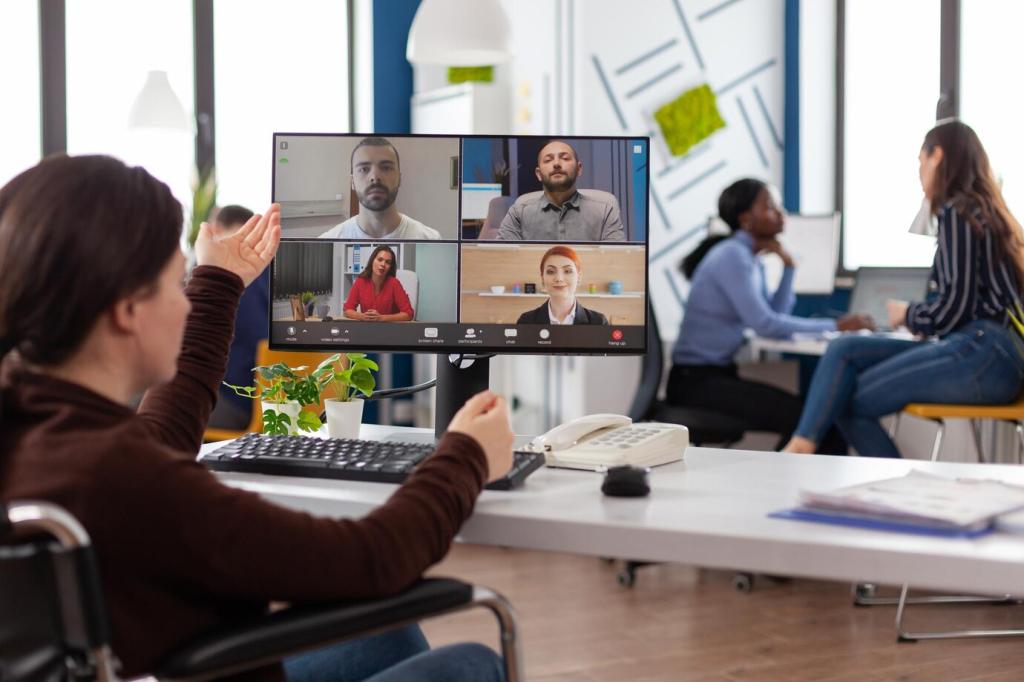
Make Meetings Matter: From Agenda to Action

Share goals, timeboxes, and pre-reads at least a day ahead. Invite only essential participants and define decision-making roles. End each meeting with owners, deadlines, and documented decisions so momentum continues even after the video call ends for everyone involved.

Make Meetings Matter: From Agenda to Action

Assign a rotating facilitator, note-taker, and timekeeper. This spreads responsibility, sharpens meeting skills, and prevents any single person from dominating. Rotations also keep meetings fresh, encourage diverse voices, and model the collaborative spirit essential to remote teamwork.

Document Everything That Matters

Create living guides, not static manuals

Organize docs by workflows and outcomes, not departments. Include quick-start summaries, examples, and screenshots. Assign owners and review cycles. Living documentation reduces onboarding time, shrinks repeated questions, and strengthens collaboration by making expert knowledge accessible to everyone.

Use templates and decision records

Standard templates for proposals, incident reports, and decision logs save time and improve clarity. Lightweight decision records capture context and rationale. Months later, teammates can understand why a choice was made and collaborate confidently without reopening settled debates.

Make docs searchable and link-rich

Adopt consistent titles, tags, and naming conventions. Cross-link related pages and embed dashboards. Good search beats memory in remote teams, letting people find answers quickly and contribute without waiting for someone to come online and reply to questions.

Protect Well-Being, Boundaries, and Sustainable Pace

Make boundaries visible and respected

Encourage status settings that signal focus, availability, or offline time. Respect them. Leaders should model healthy behavior by taking breaks and declining meetings. This permission structure reduces burnout and creates humane rhythms that support long-term, high-quality collaboration.

Design downtime into the system

Plan maintenance windows, review periods, and buffer days. Use asynchronous updates so people can step away guilt-free. Sustainable pace is not accidental; it emerges from thoughtful systems that protect energy, encourage recovery, and prioritize outcomes over performative busyness.

Foster micro-rituals of connection

Open meetings with a quick check-in question, celebrate small wins in a dedicated channel, or end Fridays with gratitude notes. These micro-rituals keep teams human, resilient, and collaborative, even when everyone is miles apart and mostly communicating through screens.
Antonmarzam
Privacy Overview

This website uses cookies so that we can provide you with the best user experience possible. Cookie information is stored in your browser and performs functions such as recognising you when you return to our website and helping our team to understand which sections of the website you find most interesting and useful.