

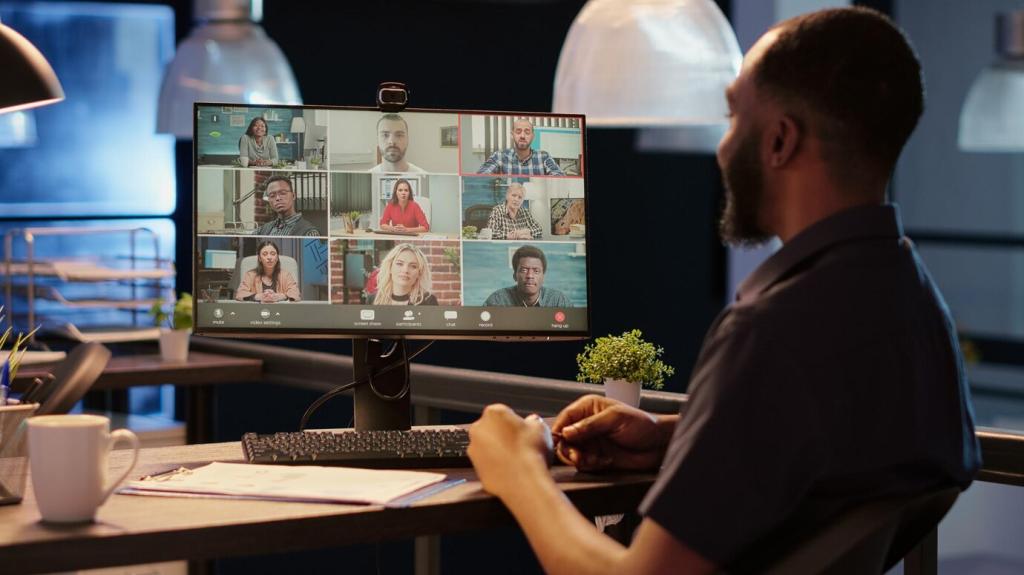





Communication Strategies for Remote Teams: Clear, Human, Effective

Chosen theme: Communication Strategies for Remote Teams. Build a rhythm of clarity, kindness, and momentum so distributed teammates feel aligned, energized, and trusted—no matter the distance. Subscribe for practical playbooks, stories, and field-tested frameworks.

Lay the Groundwork: Shared Norms, Language, and Purpose

Define a communication contract

Co-create a simple document that answers who communicates what, where, and when. Include response-time expectations, escalation paths, and preferred channels for emergencies. Invite feedback openly, then revisit quarterly together.

Decision rights and response-time clarity

Specify decision owners and contributors using a lightweight framework like RACI. Match response-time expectations to channel urgency, so chat stays fast, email stays thoughtful, and documents carry durable decisions without confusion.

Anecdote: The emoji that saved a launch

A startup adopted a simple 🚦emoji system for blockers, warnings, and good-to-go updates. One yellow warning surfaced a hidden dependency, prompting a quick async doc thread that prevented a costly weekend scramble.

Asynchronous First, Synchronous When It Truly Matters

Draft a concise brief before meetings. Include the problem, context, options, and a clear ask. Circulate early, invite comments, and let ideas mature asynchronously so live time focuses on decisions, not discovery.

Asynchronous First, Synchronous When It Truly Matters

When teammates span continents, allow a full cycle for responses before assuming silence. This slows impulses, reduces accidental exclusion, and yields richer perspectives from colleagues who read, reflect, and reply while you sleep.

Design Meetings People Don’t Dread

01

Start with outcome, end with owner

Every meeting invitation needs a purpose, pre-reads, and a desired decision. End by assigning owners, deadlines, and next steps. Share a two-minute recap immediately, keeping observers informed without requiring attendance.
02

Facilitation that includes every voice

Rotate facilitators, use round-robins, and invite written input before speaking. A quiet engineer once unlocked a thorny architecture issue through comments, because the facilitation honored different thinking speeds and communication styles.
03

Timeboxes, breaks, and energy checks

Use clear timeboxes, run shorter sessions, and include micro-breaks. Name the energy level in the room and adjust. When people feel seen and paced, attention rises and decisions improve dramatically.

Work Across Time Zones Without Burning Out

Close each workday with a crisp handoff note: current status, blockers, and the single most valuable next action. Tag the receiving team and attach artifacts so progress continues while you rest.

Work Across Time Zones Without Burning Out

Publish team quiet hours and protect them fiercely. Use scheduled send and delayed notifications by default. Tell us your team’s quiet-hour policies in the comments—we’ll feature creative solutions in a future post.

Build Trust, Safety, and Everyday Belonging

Invite informal demos of small wins, mistakes, and learnings. Keep it friendly and low-stakes. Celebrate courage, not perfection. Drop your favorite demo ritual in the comments and subscribe to see others’ ideas.

Build Trust, Safety, and Everyday Belonging

Leaders go first: narrate uncertainties, ask genuine questions, and thank dissent. Use praise for specificity, not volume. Over time, candor becomes contagious and meetings shift from performance to productive exploration.

Build Trust, Safety, and Everyday Belonging

Open meetings with check-ins, close with appreciations, and maintain a shout-outs channel. Light, frequent recognition builds connection and keeps remote communication warm, human, and contagiously optimistic.

Feedback Loops and Continuous Improvement

Run short retros every two weeks. Ask what to start, stop, continue, and decide one experiment to try. Share outcomes publicly so improvements spread beyond the original team and build momentum.

Feedback Loops and Continuous Improvement

A manager once replaced status updates with a shared 1:1 doc focused on decisions, blockers, and career growth. Anxiety dropped, clarity rose, and messages got shorter because issues were resolved earlier.

Feedback Loops and Continuous Improvement

Track meaningful signals: meeting load, response times by channel, decision latency, and documentation coverage. Use trends to ask better questions, not to micromanage. Subscribe to get our lightweight dashboard blueprint.

Feedback Loops and Continuous Improvement

Lorem ipsum dolor sit amet, consectetur adipiscing elit. Ut elit tellus, luctus nec ullamcorper mattis, pulvinar dapibus leo.

Antonmarzam
Privacy Overview

This website uses cookies so that we can provide you with the best user experience possible. Cookie information is stored in your browser and performs functions such as recognising you when you return to our website and helping our team to understand which sections of the website you find most interesting and useful.